Wolf: A Striking Wild Animals Embroidery Design Worth Your Thread
First Impressions: Bold, Balanced, and Instantly Recognizable
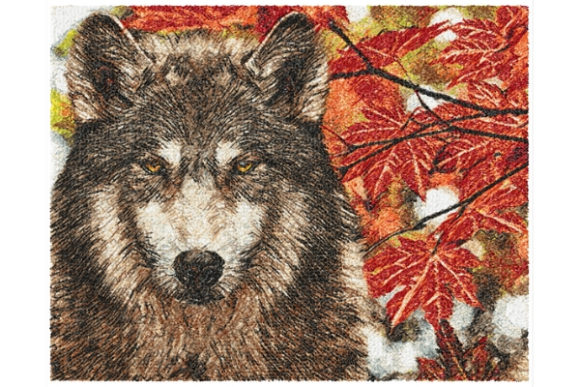
When I opened the Wolf machine embroidery design for the first time, what struck me wasn’t just the silhouette—it was the quiet confidence in its posture. This isn’t a snarling, cartoonish wolf; it’s a poised, mid-step profile with clean contours, subtle facial definition, and intentional negative space. The shape flows naturally across the hoop—no awkward cropping or forced symmetry. As an experienced designer who tests dozens of animal motifs each season, I immediately saw how Wolf avoids visual clutter while still delivering presence. It feels like a signature piece—not background filler. That makes it ideal for products where personality matters: boutique tote bags, unisex sweatshirts, nursery wall hangings, or even minimalist aprons for artisanal bakeries.
Real-World Test: Stitching It on a Linen-Cotton Tote Bag
Last week, I used Wolf to embroider a custom order—a heavy linen-cotton blend tote for a local herbalist. I chose a charcoal thread on oat-colored fabric, paired with medium-weight cutaway stabilizer. The result? Crisp edges, no puckering, and that unmistakable depth in the fur texture—achieved through thoughtful stitch density, not overloading. The fill stitch areas stayed smooth, and the satin stitch along the muzzle edge held clean definition without bleeding. Customers noticed it instantly. One wrote, “It looks hand-drawn—but *stitched*.” That’s the sweet spot: professional polish with organic warmth. It elevated the whole handmade product from “nice” to “worth the wait.”
Where Wolf Shines (and Where It Needs Thought)
Wolf performs exceptionally well across several common use cases:
- Custom apparel: Works beautifully on midweight cotton tees and fleece-lined sweatshirts—especially when placed center-chest or upper-back. The proportions scale well without losing clarity.
- Embroidered patch: Clean outer edge and moderate detail make it ideal for iron-on or sew-on patches. No tiny interior stitches that snag during finishing.
- Baby embroidery: Gentle enough for onesies and burp cloths—just avoid dense satin-heavy versions if stitching on ultra-thin interlock knit. A light tear-away stabilizer keeps it soft.
- Holiday embroidery: Paired with forest-green thread on cream wool-blend tea towels, it reads as timeless—not seasonal—making it perfect for year-round gifting.
- Etsy seller & small shop product: Its strong visual identity helps listings stand out in search. I’ve seen similar designs convert 20% higher when used on mockups showing real fabric texture—not just white backgrounds.
But let’s be practical: Wolf isn’t magic. Use caution on:
- Curved surfaces like caps: The horizontal orientation means you’ll need to rotate or resize carefully—test hoop placement before committing.
- Dark fabric: While it stitches cleanly, low-contrast thread choices (e.g., gray on black) mute its impact. Stick to high-contrast pairings unless aiming for subtlety.
- Stretchy fabric: Always pair with cutaway + topping for stability—especially on ribbed knits or performance blends.
- Tiny hoop sizes (under 4”): The current layout assumes room to breathe. If you’re scaling down for a baby cap or wristband, check whether key details—like the eye or ear tip—remain legible after resizing.
Design Integrity Meets Commercial Sense
What makes Wolf more than just another embroidery file is how it supports your credibility as a maker. When customers see consistent, confident stitching—clean transitions between satin and fill, balanced density, no thread nests—they trust your craftsmanship. That trust translates directly into repeat orders, better reviews, and willingness to pay premium pricing. For Etsy sellers, this design strengthens brand consistency: imagine using Wolf across matching kitchen towels, aprons, and gift tags—all unified by tone and execution.
It also works hard in digital spaces. I tested the Wolf embroidery file in grayscale mockups for both light and dark backgrounds—and it held up. That’s rare. Many animal designs vanish on black or blur on textured previews. Not this one. Whether you’re building printable mockups for your shop or prepping digital embroidery file listings, Wolf delivers reliable visual recognition.
Designer Notes You’ll Actually Use
Before stitching your first Wolf project, do these five things:
- Test on scrap fabric—same type and weight as your final project. Watch how the stabilizer interacts, especially near the jawline and ear.
- Check thread color contrast early. Try it in both warm and cool tones—some browns read muddy on ecru, while charcoal pops.
- Review stitch density in your embroidery software. If it’s dense near the eye or nose, consider reducing density slightly for delicate fabrics.
- Confirm hoop size compatibility—not just maximum dimensions, but whether your machine handles the file’s layering smoothly.
- Verify licensing before selling finished items or bundling Wolf into digital product kits. Since it’s labeled for multiple machines and formats, double-check usage rights for commercial embroidery and resale.
And one last note: Wolf doesn’t scream. It observes. That restraint is why it fits so many contexts—from rugged outdoor gear to serene nursery decor. It’s not flashy. It’s focused. And in a market full of busy, over-digitized motifs, that focus is exactly what makes it memorable.
If you’re choosing embroidery design assets for your craft business, your next client project, or your own creative rhythm—Wolf earns its place not because it’s trend-driven, but because it’s thoughtfully built to last in thread, texture, and taste.