Sewing is My Therapy: A Designer’s Sweatshirt Review
First Impression: A Soft, Personal Statement
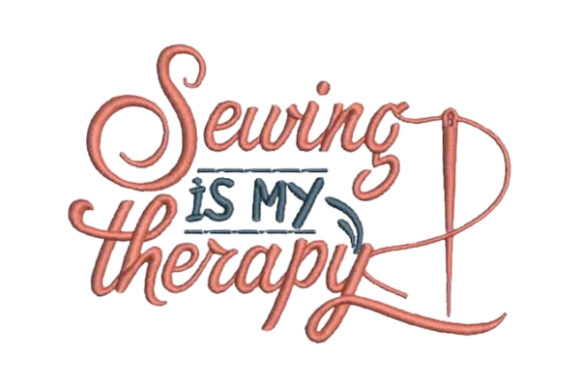
When I first opened the Sewing is My Therapy embroidery file, I immediately felt its quiet, cozy energy. This isn’t a loud, commercial logo. It’s a gentle, handwritten-style confession that speaks directly to makers, crafters, and anyone who finds peace behind a needle. As a designer preparing a limited sweatshirt drop for a small boutique brand, I always look for embroidery that feels like a secret handshake between the wearer and the world. This design nails that mood perfectly.
The satin stitch finish promised in the description is a smart choice. It gives the text a smooth, slightly glossy ribbon-like quality that catches light beautifully without being too heavy. I can already picture it on a soft, brushed fleece hoodie, adding just enough polish to elevate a casual piece into something that feels intentional and premium. Because the design is text-forward and relatively simple, the emotional weight comes from the words themselves, not from overly complex detailing. That makes it versatile for a range of boutique styles—from minimalist French terry crewnecks to oversized, slouchy hoodies.
Sweatshirt Fabric and Color Pairings That Work
Choosing the right fabric and thread combination is half the battle when you’re stitching a boutique sweatshirt collection. I ran through several mockup scenarios in my head, and Sewing is My Therapy holds up beautifully across a wide palette.
On neutral sweatshirts—think oatmeal, cream, taupe, and heather grey—the design reads as soft, rustic, and effortlessly feminine. I’d recommend a muted thread color like dusty rose, warm terracotta, or even a tonal ivory for a tone-on-tone look. It creates a handmade, heirloom feel that photographs well for Etsy listings and Instagram mockups.
Dark fabrics, like charcoal, black, or deep navy, give the design a completely different personality. A bright, contrasting thread—maybe a crisp white, soft gold, or mint green—makes the satin stitch pop dramatically. The text becomes bold and modern, ideal for a streetwear-inspired hoodie drop or a cozy, statement piece a customer would reach for on chilly mornings. I’ve learned that dark fabric demands a slightly denser stitch setting to avoid the background showing through, but the beautiful satin stitch this design is built with handles that well, as long as you test your tension first.
Pastel colors—blush pink, lavender, sage green, butter yellow—are where this design truly shines for a cute, boutique aesthetic. I’d pair it with a slightly darker shade of the same pastel or a contrasting neutral. The result feels playful, sweet, and perfect for spring releases or gift shop items. Because the design is relatively compact, it doesn’t overwhelm the softness of the fabric, letting the pastel hue remain the star.
Placement Ideas for Boutique Apparel
Placement can make or break a sweatshirt design. For a small shop drop, I always test a few options before committing to production. The Sewing is My Therapy embroidery file is versatile enough to work in several spots.
The classic left chest placement is a no-brainer. It’s the sweet spot for boutique crewnecks and zip-up hoodies, giving a neat, professional finish that feels like a small brand signature. The satin stitch letters remain crisp at that size, but I’d caution anyone ordering this as a freebie to verify the minimum hoop size needed. Some text-heavy designs lose readability when scaled down too far, so always do a stitch-out on scrap fabric first.
For a bolder look, center chest placement on an oversized hoodie or pullover turns the design into a focal point. It’s the kind of piece that pairs effortlessly with leggings and becomes a bestseller in a handmade shop. I’ve also seen similar designs used as a sleeve accent—wrapping the phrase along the outer forearm of a raglan sleeve. It’s a little unexpected, very on-trend, and adds that custom, high-end vibe boutique customers love.
Back placement, just below the neckline or across the shoulders, is another option I’m seriously considering for a coach’s jacket or a relaxed fit sweatshirt. It’s a great way to surprise someone when they walk past the wearer. When you’re building a cohesive collection, mixing placements—a chest piece on one style, a sleeve accent on another—creates visual variety without needing a dozen different designs.
Technical Production Considerations
As much as I love the emotional side of embroidery, production reality always wins. I’ve stitched enough apparel to know that a beautiful digital embroidery file can still fail if you ignore fabric, stabilizer, and thread choices.
Stitch Density and Fabric Thickness
Because Sewing is My Therapy is described as a satin stitch design, I’m expecting a smooth, dense fill. That’s excellent for a polished look, but it means you need to pay attention to the fabric underneath. Thick, plush sweatshirt fleece can swallow fine details, so I’d recommend a medium-weight cutaway stabilizer to keep the design from sinking in. On thinner French terry, a tear-away stabilizer might be enough, but I always prefer the security of a no-show mesh cutaway on anything that will be washed repeatedly.
Thread Color Contrast and Readability
I can’t stress enough how important contrast is for a text-based machine embroidery design. The satin stitch itself is forgiving, but if your thread color blends too closely with the fabric, the phrase becomes illegible at a distance. I’d test at least three thread swatches on your actual blank before committing to a full run. Always remember that thread looks different under the hoop lighting than it does in natural light, so take your sample outside or into a photo setup to see how it will appear in product images.
Hoop Placement and Small-Size Performance
Since the product description doesn’t specify exact hoop size requirements, I’m treating this as a reminder to check the provided embroidery file formats carefully. Multiple file formats are included, which is fantastic for those of us using different machines, but hoop compatibility is still on you. If you plan to stitch this as a small chest accent, make sure your smallest hoop can accommodate the design without distortion. I’ve ruined too many blanks by trying to squeeze a design into a slightly too-small hoop, hoping the machine would “just make it work.”
Washing Durability and Long-Term Wear
A boutique sweatshirt has to survive laundry day. I always pre-wash my blanks to prevent shrinkage after embroidery, and I use a soft, polyester embroidery thread that resists fading and bleeding. The satin stitch should hold up well, but I’d add a layer of water-soluble topping on textured fabrics to keep the stitches flat and prevent fuzz from poking through. After stitching, a gentle press with a Teflon sheet keeps the design crisp. I’d also include care instructions in my Etsy listing: wash inside out, cold water, tumble low. That small detail builds buyer trust and reduces returns.
Boosting Brand Value with This Design
When you’re a small shop owner or Etsy seller, every design choice tells a story. Sewing is My Therapy isn’t just a cute phrase; it’s a badge of identity. I can already see the product photography: a cozy flat lay with a vintage sewing machine, spools of thread, and a steaming mug of tea. The final product becomes a lifestyle piece, not just a sweatshirt.
Using this design on a boutique sweatshirt immediately creates a connection with a specific audience—people who sew, quilt, embroider, or simply love the handmade movement. It’s a design that sparks conversation. A customer wearing it to a craft fair or a local stitch meetup is instantly approachable. That kind of organic engagement is priceless for a small brand trying to build a loyal following.
From a commercial embroidery perspective, the fact that this design comes with multiple file formats is a huge advantage. It means I can use the same design on my single-needle home machine for a sample and then send it to my multi-needle commercial machine for production without conversion headaches. The digital embroidery file is ready to go, which saves me hours of digitizing time. And because it’s available as a freebie in the embroidery category, it’s a low-risk way to test a new product idea before investing in a custom digitized design.
I’d also consider how this design fits into a larger collection. A single sweatshirt with Sewing is My Therapy can anchor a whole line of maker-themed apparel, tote bags, or even cozy beanies. Repeating the phrase across different products and placements builds brand recognition without feeling repetitive. It’s the kind of visual identity that sticks in a buyer’s mind and makes them more likely to revisit your shop.
Final Thoughts Before Production
As a professional embroidery designer, I evaluate every file not just for its aesthetic appeal but for its real-world performance. Sewing is My Therapy passes the test for a boutique sweatshirt project with flying colors—provided you do your homework. The satin stitch finish promises a premium look, and the emotional resonance of the phrase is undeniable. It’s cute, calming, and deeply personal, perfect for a cozy, handmade apparel line.
My advice to anyone using this machine embroidery design: always run a stitch test on your actual fabric and stabilizer setup. Confirm the thread colors you choose align with your brand’s palette. Check the hoop size and file format compatibility before you order a stack of blanks. And if you’re selling online, invest in good printable mockup images or styled photos that show the embroidered sweatshirt in a lifestyle context. The design alone won’t sell the product—the story you tell around it will.
This free embroidery file is a gem for small shop owners, custom apparel decorators, and creative entrepreneurs. It gives you the flexibility to build a product that feels original without the upfront cost of custom digitizing. I’m genuinely excited to add this piece to my boutique’s upcoming drop. It’s the kind of design that makes customers pause, smile, and say, “I need this.” And isn’t that exactly what therapy should feel like?