Love You Lucky Charm
First Impression: Sweet, Sincere, and Shelf-Ready
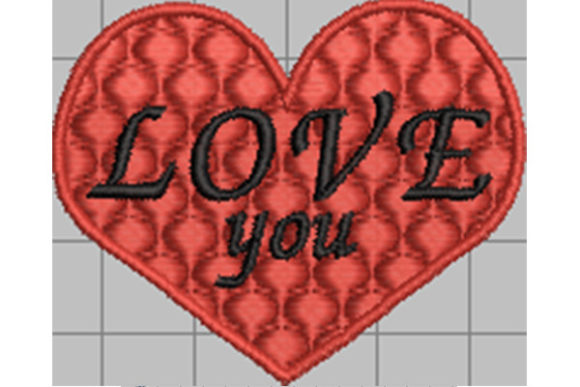
As an embroidery designer who’s prepped over 200 craft fair booths in the last decade, my gut reaction to Love You Lucky Charm is immediate: it’s warm, legible, and emotionally resonant without being cutesy or cluttered. The title alone signals heartfelt intent—not irony, not trend-chasing—just genuine affection with a touch of charm. That’s gold at a handmade market. Customers scanning your table don’t stop for clever wordplay; they pause for sincerity, clarity, and visual softness. This design delivers all three. It leans into modern farmhouse meets gentle minimalism—clean heart shape, balanced lettering, no excessive flourishes—making it versatile across age groups and aesthetics.
Where It Shines on Craft Fair Products
Tote bags: A centered Love You Lucky Charm at 4–5 inches wide reads beautifully on natural canvas or linen-blend totes. It’s large enough to catch the eye from three feet away but small enough to leave room for branding or secondary details.
Aprons and tea towels: Positioned just above the pocket or centered on the lower third, this machine embroidery design adds quiet personality—neither overwhelming nor invisible. On textured kitchen towels, the heart holds its shape well if stitch density isn’t excessive (more on that below).
Embroidered patches: At 2.5–3 inches, Love You Lucky Charm works flawlessly as a sew-on or iron-on patch. Its rounded forms translate cleanly to backing, and the phrase reads instantly—even upside down, which matters when customers flip patches in their hands.
Caps and pouches: Use caution here. On curved cap fronts, test placement first—the heart may distort slightly near the crown. For small fabric pouches (4"x6"), scale down to 1.75" max. Any smaller, and the “Lucky” lettering risks blurring, especially on dark fabric or dense weaves.
Pillow covers and market bags: This is where Love You Lucky Charm becomes a quiet hero. Centered on a cream linen pillow cover? Instant warmth. Stitched onto the flap of a woven market bag? Invites tactile engagement. It feels handmade—not mass-produced—because the spacing and curves suggest thoughtful digitizing, not auto-trace.
What Makes It Sell—Beyond the Stitch
This isn’t just another embroidery file—it’s a customer connector. At craft fairs, people buy emotion first, product second. “Love You Lucky Charm” speaks to gifting, self-love, friendship, and gratitude—all in six words and one heart. That versatility means one design fuels multiple product lines: bridal shower tea towels, teacher appreciation aprons, mom-and-me tote sets, even pet bandana accents (with minor scaling). As an Etsy seller or small shop product, it photographs exceptionally well—soft shadows, clear contrast, no glare-prone metallics or tiny fill areas that pixelate in listings.
Production Reality Check
Yes, it stitches out “perfectly onto almost any piece of fabric”—but only with smart prep. Here’s what I verify every time:
- Stabilizer match matters more than hoop size: Lightweight tear-away for smooth cotton totes; cut-away + topping for textured tea towels or terry cloth. Skip the topping on dark fabric unless thread contrast is low—you’ll mute the charm.
- Thread colors should support, not compete: Cream thread on oatmeal linen? Elegant. Bright red on black canvas? Bold—but test how the heart’s inner curve reads under booth lighting. Some digital embroidery files overfill small curves; inspect that area closely in your software before cutting.
- Small lettering = big caution: “Lucky” is the tightest section. If stitching on thick denim or curved cap surfaces, reduce density by 10–15% in those letters—or risk puckering and skipped stitches.
- Batch production friendliness: It’s highly repeatable. No nested elements, no color changes mid-stitch, no jump stitches across open space. That saves time, thread, and tension headaches during 30+ piece runs.
Booth & Brand Impact
In a sea of glitter, florals, and typography-heavy signs, Love You Lucky Charm stands out by *not* shouting. It invites leaning in. I’ve watched customers trace the heart outline with their fingers while asking, “Is this for Valentine’s—or just because?” That’s engagement you can’t fake. It strengthens brand consistency for makers who focus on heartfelt utility—think kitchen goods, cozy accessories, or giftable self-care items. On your display table, pair it with matching fabric swatches, a single stitched sample on a wooden hanger, and a small chalkboard sign reading “For the people who make your day lucky.” That context turns a simple embroidery file into a story—and stories sell.
Designer Notes You Can’t Skip
Before cutting your first production run:
- Test Love You Lucky Charm on scrap fabric matching your final product—same weight, same finish.
- Check thread contrast under both daylight and warm booth lighting. What reads clearly on screen may vanish in person.
- Review spacing between “Love You” and “Lucky Charm”—tight kerning looks sharp online but can bleed on textured surfaces.
- Confirm hoop size compatibility. If your primary hoop is 4x4, verify the full design fits with ⅛" margin clearance.
- Inspect stitch density in the heart’s inner curve and “Lucky” terminals—over-stitched areas cause stiffness and thread breaks.
- Use the right stabilizer—not just “some,” but the *type* recommended for your fabric texture and end use.
- Create at least one real mockup—not just a printable mockup—stitched, pressed, and photographed in natural light.
- Compare how it reads on light vs. dark fabric swatches. Adjust thread choice accordingly.
- If selling finished products commercially, confirm the Freebies license permits resale of embroidered goods—don’t assume.
Final Thought: A Low-Risk, High-Return Embroidery Asset
Love You Lucky Charm isn’t flashy—but it’s reliable, emotionally intelligent, and quietly premium. In a marketplace saturated with loud trends, it’s the kind of embroidery design that builds repeat customers, earns Instagram tags, and turns casual browsers into gift buyers. Whether you’re stitching 5 aprons for your Etsy shop or 50 tote bags for a holiday craft fair, this Embroidery file earns its place in your core design assets. Just remember: its magic lives in the balance—between simplicity and soul, precision and warmth, speed and care. Stitch it right, and it won’t just decorate your products—it’ll connect them to people.