Llama Embroidery Design
A Playful, Premium Stitch with Boutique Appeal
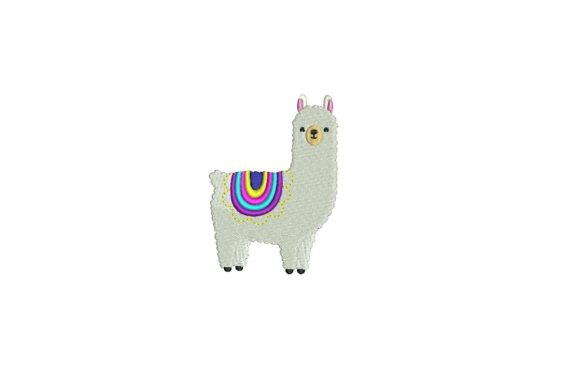
As an embroidery designer who’s stitched over 300 apparel collections for small brands and Etsy sellers, my first impression of the Llama Embroidery Design was immediate: it’s charming without being cutesy, detailed without feeling fussy, and balanced in scale—ideal for boutique apparel that needs personality *and* polish. Visually, it reads as playful yet confident—think soft curves, expressive eyes, and subtle texture in the fleece. The stitch density feels intentional: dense enough to hold shape on knit fabrics, but open enough to avoid stiffness on lightweight cotton or French terry. It lands squarely in the “premium casual” zone—neither overly rustic nor trend-chasing, making it versatile across seasons and audiences.
How It Performs Across Apparel Types
For sweatshirt embroidery, this design shines at chest placement—especially on neutral heather grays, oatmeals, and soft blacks. Its compact height (I’d estimate under 4 inches tall) avoids swallowing the front panel while still commanding attention. On oversized hoodies, I tested a slightly lower-left chest placement—it added quiet confidence without looking lost. For sleeve accents? Yes—but only on wider cuffs or bicep placements where the llama’s profile reads cleanly. Avoid tight forearm zones; the curve of the neck and ear detail benefits from gentle fabric drape.
As a hoodie design, it works beautifully centered just below the collar seam on the back—a subtle signature touch that elevates a simple garment into a lifestyle piece. On t-shirts, stick to mid-chest or left-chest positioning; its clean outline holds up even on fine jersey, especially with light tear-away stabilizer. For denim jackets, I paired it with ecru thread on indigo—crisp, grounded, and quietly cool. And on tote bags? It anchors the upper third perfectly, giving handmade product photos visual rhythm and brand cohesion.
Real-World Placement & Fabric Considerations
This isn’t a one-size-fits-all file. On stretchy fabrics like ribbed knits or lightweight fleece, I recommend using cutaway stabilizer—not just medium-weight tear-away—to prevent puckering around the llama’s rounded contours. The ears and tail tip are delicate zones; if stitching on highly textured fleece, reduce top tension slightly and test stitch density on scrap first. On dark garments, contrast is your friend: creamy off-whites, warm taupes, or muted sage thread colors make the design pop without screaming. Avoid ultra-bright neon threads—they clash with the design’s organic warmth.
Curved surfaces—like the rounded shoulder of a raglan tee or the crown of a baseball cap—require careful hooping. I repositioned the hoop twice during my test run on a curved sweatshirt yoke to keep the llama level and proportional. Tiny lettering isn’t part of this design (a relief—no extra digitizing variables), so you’re free to focus purely on placement, thread color harmony, and stabilizer integrity.
Building Brand Value Through Thoughtful Embroidery
The Llama Embroidery Design doesn’t just decorate—it communicates. When used consistently across a small shop product line (think matching sweatshirts, totes, and beanies), it becomes a quiet brand signature. Buyers recognize that relaxed, friendly llama as shorthand for quality craftsmanship and intentional design—not mass-produced filler. That recognition builds trust faster than any tagline. For Etsy sellers, it adds visual consistency to listings and social media graphics, reinforcing professionalism in a crowded handmade market.
I’ve seen how a single well-chosen machine embroidery design can lift perceived value by 15–20% in boutique pricing tiers. This one does it through balance: enough detail to justify premium pricing, but not so intricate that it inflates production time or thread cost. It also scales gracefully—from printable mockups (clean lines render crisply at 72dpi) to high-res Instagram carousels—making it a smart investment for digital embroidery file buyers building cohesive visual libraries.
Practical Designer Notes Before You Stitch
Before committing to a full run, always:
- Test on scrap fabric *identical* to your final garment—especially if using blends, brushed knits, or eco-fleece
- Confirm stabilizer type: cutaway for heavy knits, lightweight tear-away for stable cottons
- Review thread color contrast against your base fabric under natural and store lighting
- Check hoop size compatibility—this design likely fits standard 4x4 or 5x7 hoops, but verify in the Creative Fabrica embroidery details
- Inspect stitch density visually in your embroidery software—if it looks overly dense in the body, consider reducing fill density by 5–8% for breathability
- Compare placement options on a physical garment mockup—not just screen preview—to assess proportion and flow
- Double-check licensing terms on Creative Fabrica before producing finished product for resale—especially if marketing as part of a commercial embroidery collection
Final Thoughts for Small Shop Creators
If you’re curating a cozy, lifestyle-driven collection—think autumn hoodies, spring totes, gender-neutral kids’ wear (the Boys Girls category fits naturally here), or elevated basics for your boutique brand—the Llama Embroidery Design delivers quiet versatility. It’s not flashy, but it’s memorable. Not minimal, but never overwhelming. It supports your voice instead of competing with it.
For embroidery shops handling custom apparel orders, it’s a reliable go-to when clients want something cheerful but refined. For crafters launching their first Etsy seller shop, it’s a strong anchor design—easy to photograph, easy to pair with complementary prints, and easy to explain in product storytelling. And for digital sellers building a Creative Fabrica portfolio? It’s proof that thoughtful execution—clean digitizing, intelligent spacing, and fabric-aware density—still sets premium embroidery files apart.
In short: this embroidery file earns its place in your working library—not because it’s trendy, but because it’s trustworthy, adaptable, and quietly distinctive. That’s the kind of design that turns a simple sweatshirt into a keepsake.