Zippers Embroidery Design: A Designer’s Real-World Review
First Impressions and Visual Mood
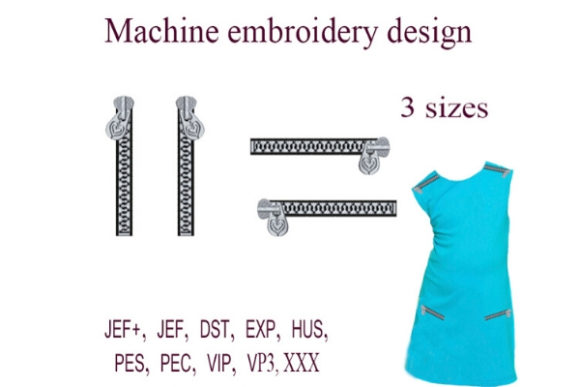
When I first opened the Zippers machine embroidery design on my screen, it immediately read as a playful nod to the sewing world. The design captures the essence of a classic zipper — the interlocking teeth, the pull tab, the stitched tape — but translates it into a decorative, stitch-friendly motif. It’s not a photorealistic zipper; it leans into a clean, graphic style that feels both modern and handmade. The pull tab detail, which likely uses a satin stitch border and a fill stitch interior, gives it just enough dimension without becoming overly dense. I could see this working beautifully on a sewing-themed tote bag or a craft room pillow cover.
The composition is compact, which suggests it will fit comfortably in a standard 4x4 hoop, though you’ll want to confirm the exact hoop size on the Creative Fabrica product page. The mood is upbeat and slightly nostalgic — it reminds me of the metal zippers on vintage notions packaging. It’s the kind of design that would catch a fellow crafter’s eye at a market, a visual wink that says “I get you.”
Where the Zippers Design Shines in Real Projects
As someone who designs for Etsy listings, craft fair booths, and boutique merchandise, I’m always looking for motifs that tell a story. The Zippers design fills a niche that’s surprisingly underserved: sewing humor and sewing pride. Here are a few concrete project ideas that came to mind immediately:
- Custom apparel: A left-chest embroidery on a denim shirt or a back yoke accent on a chambray workshirt. It signals a love for tailoring and DIY.
- Tote bag design: Center the zipper on a canvas tote along with a small “sew inspired” lettering below. This becomes a handmade product that sells well at sewing expos.
- Sweatshirt embroidery: A single large zipper on the front pocket area of a cozy fleece pullover — instant conversation starter.
- Embroidered patch: Stitch it on felt or twill with a merrowed edge, then offer it as a sew-on patch for jean jackets or backpacks.
- Kitchen towels and aprons: A zipper motif on a linen apron or a flour sack towel adds a whimsical touch for someone who loves both cooking and sewing.
- Nursery decor and baby items: A soft, pastel version on a baby blanket or a bib could playfully introduce a “maker” theme from an early age.
- Pillow covers: Pair it with contrasting thread on a textured cotton cover for a craft room couch.
- Cap embroidery: A miniature zipper on the side of a baseball cap can appeal to sewists who want subtle flair.
In each case, the design acts as a design asset that elevates the finished product from plain to personal. It’s not just a decoration; it’s a statement of identity.
Practical Considerations for Embroidery on Different Products
When I evaluate a digital embroidery file for real-world use, I always run through a mental checklist of fabric and garment challenges. Here’s how the Zippers design holds up under scrutiny.
Small hoop sizes: The design’s likely compact footprint works in your favor. If you’re using a 4x4 hoop, you’ll probably be fine. But if the design includes tiny lettering (like “zip” in a label), check that the smallest text remains readable at intended stitch size. Too-small lettering with dense satin stitch can become a blob on textured fabric.
Dense stitch areas: Zipper teeth often require closely packed stitches. On a design like this, I’d expect the teeth to be built with fill stitch or multiple running stitch passes. If the density is too high, you might experience puckering on lightweight fabrics. Always test on a scrap of the exact fabric you’ll use for the final product.
Textured and stretchy fabric: Towels, fleece, and knits can swallow fine details. A satin stitch outline on the pull tab might lose its crisp edge. Use a water-soluble topper to keep the stitches on top of the nap, and for stretchy sweatshirts, a good cutaway stabilizer is non-negotiable.
Dark fabric: A zipper design often looks best with metallic or contrasting thread on dark grounds. If you’re stitching on black denim, a gunmetal gray thread with a silver pull tab can look stunning. Just be prepared to bump up your thread tension slightly and test the contrast.
Curved cap surfaces: Stitching a zipper horizontally on a cap’s crown can be tricky because of the center seam. I’d recommend placing the design on the side panel or back arch, and always use a cap-specific hoop and firm backing.
Layered details and frequent washing: If the design has multiple layers — like a background tape behind the teeth — ensure the underlay is solid. A properly digitized Creative Fabrica embroidery file will minimize shifting. For items that get washed often (aprons, baby onesies), the stitches should be dense enough to survive but not so dense that they feel stiff. A pre-wash of the fabric and a gentle post-wash cycle test will tell you a lot.
Stitching Performance and Quality Notes
I haven’t yet stitched this exact file, but based on the inclusion of multiple embroidery file formats, the Zippers design is clearly built for broad compatibility. The digitizing looks clean in the preview, with defined color stops that separate the teeth, tape, and pull tab. This means you can easily swap thread colors to match your brand palette. I’d probably use a matte polyester thread for the tape and a shiny rayon for the pull tab to create subtle contrast.
In terms of stitch density, I’d expect a balanced approach — not too light, not rock-hard. A well-constructed zipper design will have a stable underlay and a top layer that lies flat. If you notice any gaps where the teeth meet the tape, a quick thread color change or a slight size adjustment in your software can fix it. I always encourage a full test stitch on a similar fabric, and then a wash-and-dry cycle to see if any thread ends pop or the design relaxes.
Elevating Handmade Products with a Zipper Motif
A design like this can subtly shift how customers perceive your work. Adding a Zippers embroidery to a tote bag or sweatshirt immediately communicates that you’re a maker for makers. It builds buyer trust because it feels authentic — you’re not just decorating; you’re sharing a piece of the sewing culture. For Etsy sellers and handmade shop owners, this can justify a higher price point. A $20 plain tote becomes a $38 specialty item when it features a crisp, themed embroidery.
The visual appeal is consistent across product photography. A zipper motif photographs well on flat lays, hanging on a hook, or being held. It adds a graphic element that draws the eye in thumbnail images. If you’re selling printable mockups, this design can be a great addition to a digital product bundle, showing seamstresses how the design might look on their own items.
For brand consistency, the zipper is a versatile icon. It can be stitched in your brand colors, scaled within a reasonable range, and repeated across multiple product types. It becomes a signature element that regular customers start to recognize. Giftability also rises — a zipper-adorned apron or a set of embroidered kitchen towels makes a memorable birthday or holiday gift for the sewer in your life.
Before You Stitch: Key Checks on Creative Fabrica
Since I’m reviewing this as a real-world embroidery file from Creative Fabrica, I have to remind you (and myself) to double-check the product details before you commit to a customer order. The description says the Zippers design comes with multiple embroidery file formats and works with multiple embroidery machines. That’s a good sign, but you still need to:
- Confirm the exact file formats included (DST, PES, JEF, etc.) and ensure they match your machine.
- Check the hoop size and stitch dimensions to avoid resizing issues that could distort stitch density.
- Review the stitch count, if listed, to estimate run time and thread consumption.
- Read the license terms for commercial use. Typically, Creative Fabrica offers a commercial license that allows you to sell finished physical products, but you should verify whether you can sell digital mockups or transfers.
- Look for any specific notes about color changes or trims that might affect your workflow.
I always keep a screenshot of the license on my computer for reference, especially when I’m building a product line for a craft fair or an online store.
Final Thoughts for Embroidery Designers and Sellers
The Zippers design from Creative Fabrica is more than a simple graphic — it’s a conversation piece for the sewing community. It fits neatly into the Sewing Crafts category and the broader Embroidery niche, appealing to anyone who wants to wear their craft identity. From a professional standpoint, it’s a solid addition to a designer’s library, especially if you already create custom apparel, handmade gifts, or boutique merchandise with a maker theme.
I’d recommend pairing it with a small text element like “make it” or “sew on” to create a themed set, and always test on your chosen fabric before running a batch. The stitching personality is playful yet precise, and with the right stabilizer and thread choices, it can look premium on everything from a baby blanket to a cap. If you’re building a commercial embroidery product line around sewing motifs, this design is a worthy download — just be sure to confirm all the technical specs on the Creative Fabrica embroidery product page. Happy stitching!