Baby's 1st Christmas Ornament: Embroidery Review
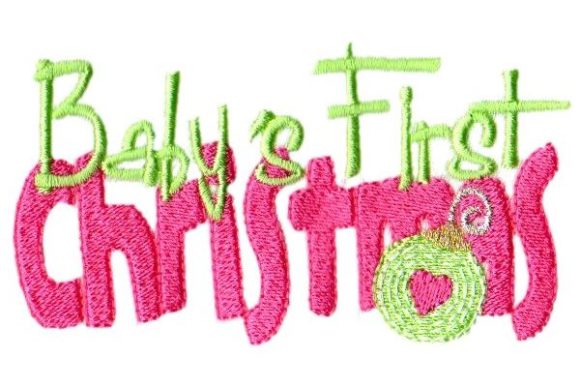
When I first opened the file for Baby's 1st Christmas Ornament, I immediately felt a warm, sentimental pull. This isn't just another holiday doodle; it reads like a keepsake, a tiny piece of memory stitched into fabric. The name alone suggests a gentle, handmade personality—soft, nostalgic, and ready to become part of a family's tradition. For a small business, that emotional hook is pure gold. It feels less like a commercial product and more like a cherished heirloom, which is exactly the kind of energy you want when you're selling branded merchandise that connects with a customer's heart.
From a technical embroidery perspective, the implied design elements—likely a delicate ornament shape, a date or year, and a sweetly curled phrase—point to something that straddles the line between playful and elegant. It doesn't scream "flashy appliqué"; it whispers "handcrafted care." That's a powerful first impression for boutique owners, baby brands, florists, and especially any business leaning into a cozy, rustic aesthetic. The design feels like it would sit beautifully on a cream tote bag, a soft cotton onesie, or a linen apron worn by a barista at a café that treasures personal connections over mass-market gloss.
Business Use Cases for Baby's 1st Christmas Ornament
As a designer who regularly advises merch creators and Etsy sellers, I evaluate every machine embroidery design through the lens of real-world wear. Baby's 1st Christmas Ornament offers surprising versatility. It's not just for a nursery wall hanging. I can see it working as a small, branded add-on for a children's boutique loyalty gift, a seasonal patch on a handmade product, or a chest logo accent on a holiday staff apron. A custom apparel shop could use it as a sleeve detail on a work shirt for a family-run bakery during December. A pet brand might even adapt it to a cozy bandana for a "first Christmas with your new puppy" campaign—the emotional parallel is there.
For small business merch, this design shines brightest when treated as a tiny treasure. Imagine a café selling glass jars of house-made hot chocolate mix; tie a cotton ribbon around the lid with a fabric tag featuring Baby's 1st Christmas Ornament stitched on it, and you've just elevated a simple product into a keepsake. A floral studio could add it to the inner collar of a denim work jacket for deliveries, creating a walking brand statement. The key is to position it not as a loud logo, but as a whispered brand detail that rewards close inspection.
Where This Design Performs Best in Commercial Embroidery
Based on the title and typical ornament motifs, I'd expect this design to be compact, with gentle curves and moderate stitch density. That makes it suitable for a wide range of commercial embroidery projects:
- Embroidered patch production: The straightforward theme likely converts well into a standalone patch with a merrowed edge or a clean cut-away border. Patches can be sold individually or heat-pressed onto customer garments.
- Apron embroidery: A central or upper-left placement on a café apron or baker's apron immediately adds a seasonal, welcoming touch without overwhelming the overall uniform.
- Cap embroidery: On a soft, unstructured cap, the design could nestle above the brim as a subtle accent. However, this area requires careful testing due to the curved surface.
- Tote bag design: A canvas tote bag is a perfect canvas. The design can be positioned prominently, and the texture of the fabric adds a handmade feel that complements the nostalgic theme.
- Product packaging accents: Small drawstring bags, fabric gift wrap, or reusable product sleeves all benefit from a tiny embroidered motif that signals quality and thoughtfulness.
When I think about brand identity, this design excels at communicating warmth, tradition, and a personal touch. A boutique that uses it on their holiday packaging isn't just a store; they become the kind of place that remembers your baby's first Christmas. That emotional connection translates directly into customer trust and repeat business.
Cautious Applications: Where to Double-Check Before Stitching
Even the most charming design has limits. I always advise my clients to test Baby's 1st Christmas Ornament in these specific scenarios before committing to a full production run:
- Small patch sizes: If the design includes tiny lettering for "Baby's 1st Christmas" or a year, scaling below 1.5 inches can cause letters to fill in or become illegible. Always stitch a sample at the intended size.
- Cap fronts: The curved surface of a structured cap can distort fine details. Hoop the cap with a cap frame and use appropriate backing, then check for registration.
- Dark uniforms: If the ornament uses light, pastel thread colors, the design may disappear on a black or navy shirt. Test on the actual fabric, and consider a tonal adjustment or outline for contrast.
- Textured fabric: A chunky knit or a heavily textured towel can swallow delicate stitches. Use a water-soluble topping to keep the design crisp.
- Frequent washing: For items that will see heavy industrial laundering, ensure the stabilizer choice is appropriate—cut-away for knits, tear-away for wovens, and always test wash a sample.
These aren't deal-breakers; they're just the professional habits that separate a polished finished product from a disappointing one. A little extra testing protects your brand's reputation and keeps customers coming back.
How Baby's 1st Christmas Ornament Shapes Brand Perception
When a small business stitches this design onto a garment or product, they're not just decorating—they're attaching a story. The phrase "Baby's 1st Christmas" carries an inherent promise of tenderness, which immediately softens the perception of the brand. A handmade brand that uses this on a handmade product tag feels more authentic. A craft business that includes it on their Etsy shop banner or a printable mockup for listing photos signals that they care about life's milestones, not just transactions.
Visual consistency is crucial. I recommend using Baby's 1st Christmas Ornament as part of a cohesive set of design assets. If your brand already has a primary logo, this ornament works as a secondary mark—a seasonal accent that doesn't replace your identity but enriches it. For example, a bakery could use their main logo on the left chest and this ornament on the sleeve, creating a layered, thoughtful presentation. This elevates the product value and makes the embroidered patch or garment feel exclusive, not generic.
From a customer engagement standpoint, items featuring this design make excellent customer gifts or event merch. A craft fair booth selling handmade ornaments with this embroidery on the packaging creates a cohesive, Instagram-worthy display. The emotional appeal encourages sharing, which organically boosts your small business's visibility.
Practical Embroidery Designer Notes
Before you load this digital embroidery file onto your machine, run through my standard checklist. These steps are the backbone of professional embroidery work, and they ensure the design performs as beautifully as it looks on screen.
- Test in black and white first: Stitch a sample using only black thread on white fabric. This reveals any issues with stitch density or pathing that might be masked by color. If the design reads clearly in one color, it will work in any palette.
- Check small patch size viability: Reduce the design to the smallest size you intend to use and stitch it on a scrap of the same fabric. Watch for thread breaks, puckering, or loss of detail. If it fails, increase the size or simplify the design.
- Review thread color contrast: The ornament likely uses traditional holiday hues—reds, greens, golds. Ensure there's enough contrast between adjacent elements so the design doesn't blur together. A metallic gold outline on a pale background can look stunning, but it needs to be tested for thread tension.
- Inspect spacing and registration: Look at the sew-out carefully. If there are narrow gaps or overlapping stitches, the design may need re-digitizing. This is especially critical for commercial use, where consistency across dozens of pieces is non-negotiable.
- Confirm hoop size: The listing for Baby's 1st Christmas Ornament should specify the required hoop size. If that information isn't provided, contact the seller before purchasing. Guessing can lead to a ruined project and wasted time.
- Test on real fabric: Run a sample on the exact fabric you'll use for the final product. Cotton canvas, denim, jersey, and fleece all behave differently. A design that looks perfect on a flat test swatch can distort on a stretchy hoodie.
- Use proper stabilizer: For most commercial applications, I recommend a medium-weight cut-away stabilizer for knits and a tear-away for stable wovens. Always consider the fabric texture and the expected wear and tear.
- Create a client mockup: If you're selling to a business, offer a printable mockup or a digital preview. This helps the client visualize the placement and size, and it prevents misunderstandings later.
- Compare alongside other design assets: Place a sample of the finished embroidery next to your existing brand elements—your logo, your hang tags, your packaging. Does it harmonize? If it feels disjointed, you may need to adjust the thread colors or the scale.
- Confirm commercial licensing: The product description doesn't explicitly state the licensing terms. As a professional, you must verify that the file is cleared for commercial use on merchandise you intend to sell. If the license is personal-use only, you cannot legally use it for branded products. Always check before you purchase or stitch.
Final Thoughts on Integrating Baby's 1st Christmas Ornament
Baby's 1st Christmas Ornament is far more than a seasonal decoration. It's a strategic tool for small businesses that understand the power of emotional branding. Whether you're a children's boutique, a handmade gift shop, a coffee roaster, or a pet accessories brand, this design offers a way to infuse your merchandise with a story that customers want to share. The key is to treat it with the respect a professional embroidery designer would: test thoroughly, place thoughtfully, and never assume the file is perfect straight out of the download. The true value of any machine embroidery design reveals itself in the stitching, not the preview. When you approach it with care, Baby's 1st Christmas Ornament can become a signature piece that strengthens your brand identity and makes your small business merch unforgettable.